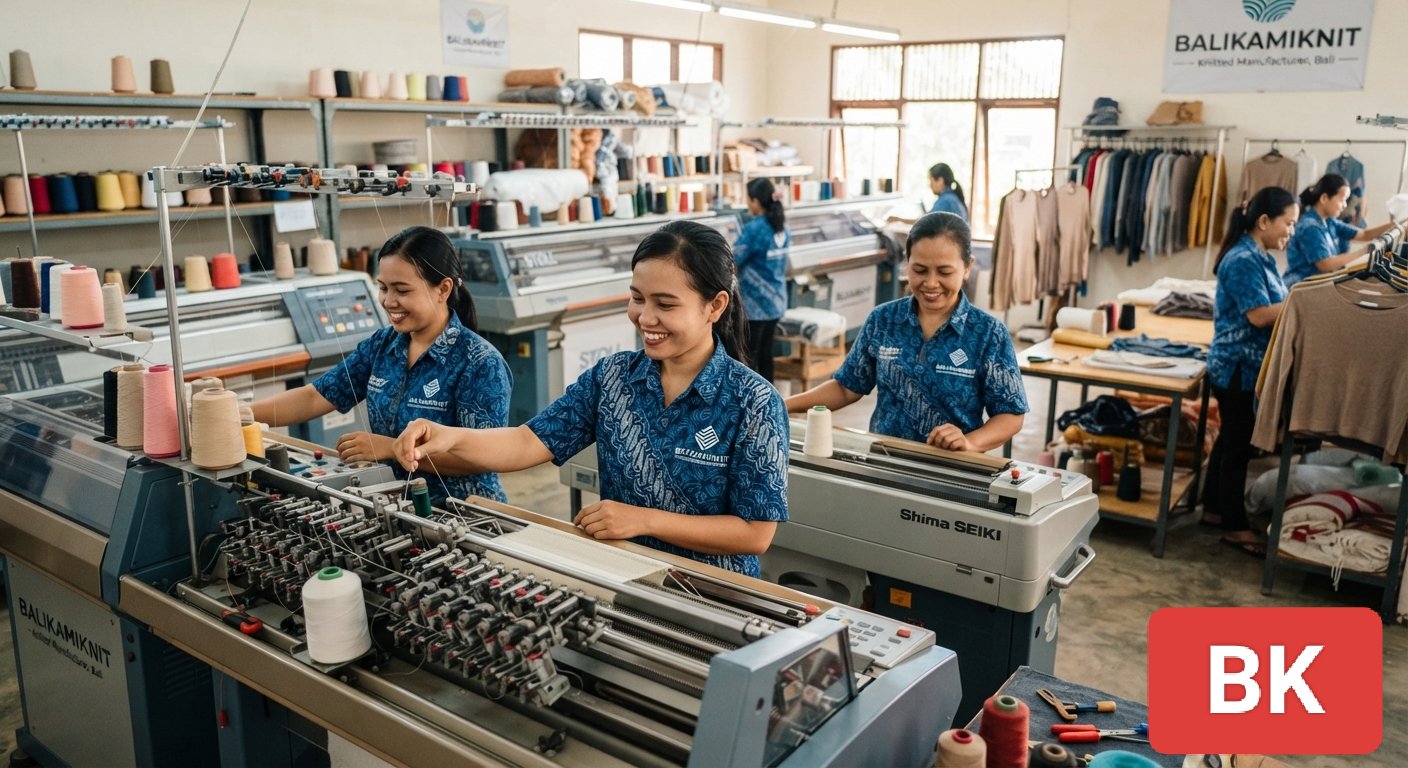
Production Processes in Knitted Manufacturers: How It’s Made
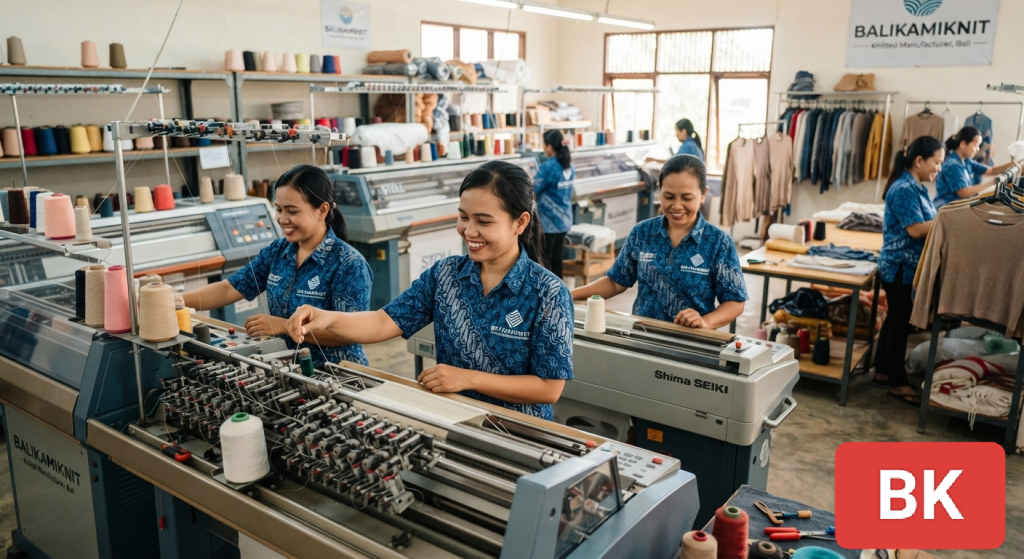
The journey of creating high-quality knitwear involves a fascinating blend of traditional craftsmanship and cutting-edge technology. For leading garment solutions like Balikami Knit, understanding the intricate production processes of knitted manufacturers is the key to delivering premium apparel that meets international standards.
Here is a step-by-step look into how raw yarn transforms into a beautifully finished knitted garment.
-
Yarn Selection and Preparation
Every great garment begins with the right raw material. Manufacturers carefully select yarns based on the desired weight, texture, and durability—ranging from breathable cotton and luxurious wool to high-performance synthetics.
-
Knitting and Fabric Structure
Once the yarn is ready, it enters the knitting phase. Advanced industrial knitting machines (circular or flatbed) interloop the yarn to create the fabric. This process determines the fabric’s elasticity, breathability, and pattern.
-
Washing and Fabric Treatment
To ensure maximum comfort, the newly knitted fabric undergoes a washing and treatment process. This eliminates impurities, shrinks the fabric to its stable dimensions, and enhances its softness.
-
Cutting and Sewing (Linking)
Precision is vital during the CMT (Cut, Make, Trim) stage. For fully-fashioned knitwear, pieces are knitted to shape and meticulously joined together using a process called linking, which ensures seamless, durable, and clean edges.
-
Quality Control and Packaging
Before leaving the factory, every piece undergoes a rigorous inspection. Workers check for loose threads, measurement accuracy, and stitching flaws. Once approved, the garments are pressed, tagged, and packed for delivery.
Partner with the Experts
As a trusted name in the textile industry, Balikami Knit optimizes every stage of the production process to guarantee top-tier durability, comfort, and style for your brand. Contact us today to bring your knitwear designs to life!I
f your section discusses sourcing high-quality or sustainable yarn:
Authority Site: Textile Exchange (Global non-profit driving sustainability in the textile industry) or OEKO-TEX (The global standard for textile safety).
